

Luxor Travel Guide: Temples, Tombs & the Nile (2026)
The world's greatest open-air museum, Karnak, the Valley of the Kings, a sunrise balloon and the start of the classic Nile cruise. How to split the East and West banks, and how long to stay.
If Cairo is Egypt's present, Luxor is its past made visible. Built over ancient Thebes, it splits its wonders across the Nile: temples for the living on the East Bank, tombs for the dead on the West Bank. There is more standing antiquity here than anywhere on earth, and two well-planned days let you feel it without blurring it together. Every site below sits on the interactive map, trace the river and see how the two banks face each other. ## East Bank: temples of the living Karnak is the headline. Its Great Hypostyle Hall packs 134 colossal columns into a forest so vast that visitors fall silent inside it; the wider complex grew over two thousand years and is among the largest religious sites ever built. Go early to beat the heat and the tour buses. A short way south, Luxor Temple is best saved for the evening, when it's floodlit and the avenue of sphinxes that once linked it to Karnak glows gold. It's the finest-value night out in Upper Egypt. ## West Bank: the realm of the dead Cross the river to the necropolis. The Valley of the Kings hides the rock-cut tombs of New Kingdom pharaohs, their painted ceilings and hieroglyphs still vivid after three thousand years; your ticket covers a rotation of tombs, with Seti I and (in the neighbouring Valley of the Queens) Nefertari carrying separate fees and worth every pound. Nearby rise the terraced Temple of Hatshepsut, the artisans' village of Deir el-Medina, and the lone Colossi of Memnon standing guard over the floodplain. ## Float over it at sunrise The experience that lives up to its photographs: a hot-air balloon lifting off in the cool dark as the sun climbs over the Theban hills and the Valley of the Kings, the Ramesseum and the green Nile resolve beneath you. Book the earliest slot and you're back for breakfast. ## The gateway to the Nile Luxor is the northern end of the classic Nile cruise to Aswan, calling at temples, Edfu, Kom Ombo, Esna, that are hard to reach any other way. For choosing a boat and direction, read our Nile cruise guide. ## How long & getting there
- How long: 2 days does the East and West banks justice; add a morning for the balloon. Many travellers then cruise on to Aswan.
- Getting there: short domestic flights from Cairo (about an hour) or the overnight sleeper train; the Luxor, Aswan leg is loveliest by cruise.
- When: October to April for comfortable temple days; summer means very early starts to beat 40°C-plus heat. ## Plan the rest Pair Luxor with Aswan and the river, time it with the best time to visit Egypt, and see where it fits in the wider Egypt Travel Guide 2026.
Common questions
How many days do you need in Luxor?
Two days lets you do the East Bank (Karnak and Luxor Temple) and the West Bank (Valley of the Kings, Hatshepsut, the Colossi) without rushing, plus an early-morning balloon. It's also the starting point for most Nile cruises to Aswan.
Is Luxor better than Aswan?
They complement each other. Luxor has the greater concentration of monuments; Aswan is gentler and more scenic. The classic trip does both, linked by a Nile cruise between them.
Is the Luxor hot-air balloon worth it?
For most travellers, yes, a sunrise flight over the West Bank monuments and the Nile is a genuine bucket-list experience and surprisingly affordable. Book the earliest slot for the calmest air and best light.
How do you get from Cairo to Luxor?
A domestic flight takes about an hour; an overnight sleeper train is the scenic, hotel-saving alternative. From Luxor, the onward leg to Aswan is best enjoyed as a Nile cruise.
Book it on This is Egypt
Turn this guide into a trip

Valley of the Kings & Hatshepsut Temple — Luxor West Bank

Luxor Sunrise Hot-Air Balloon Ride
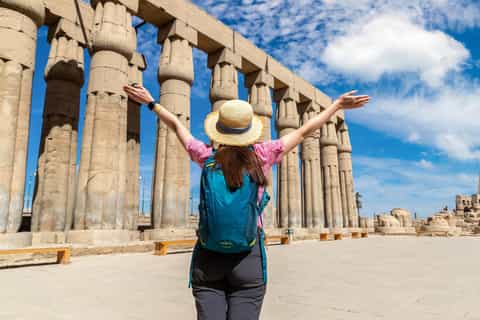
Luxor Day Trip from Hurghada Small Group & Tutankhamun Tomb
Keep reading
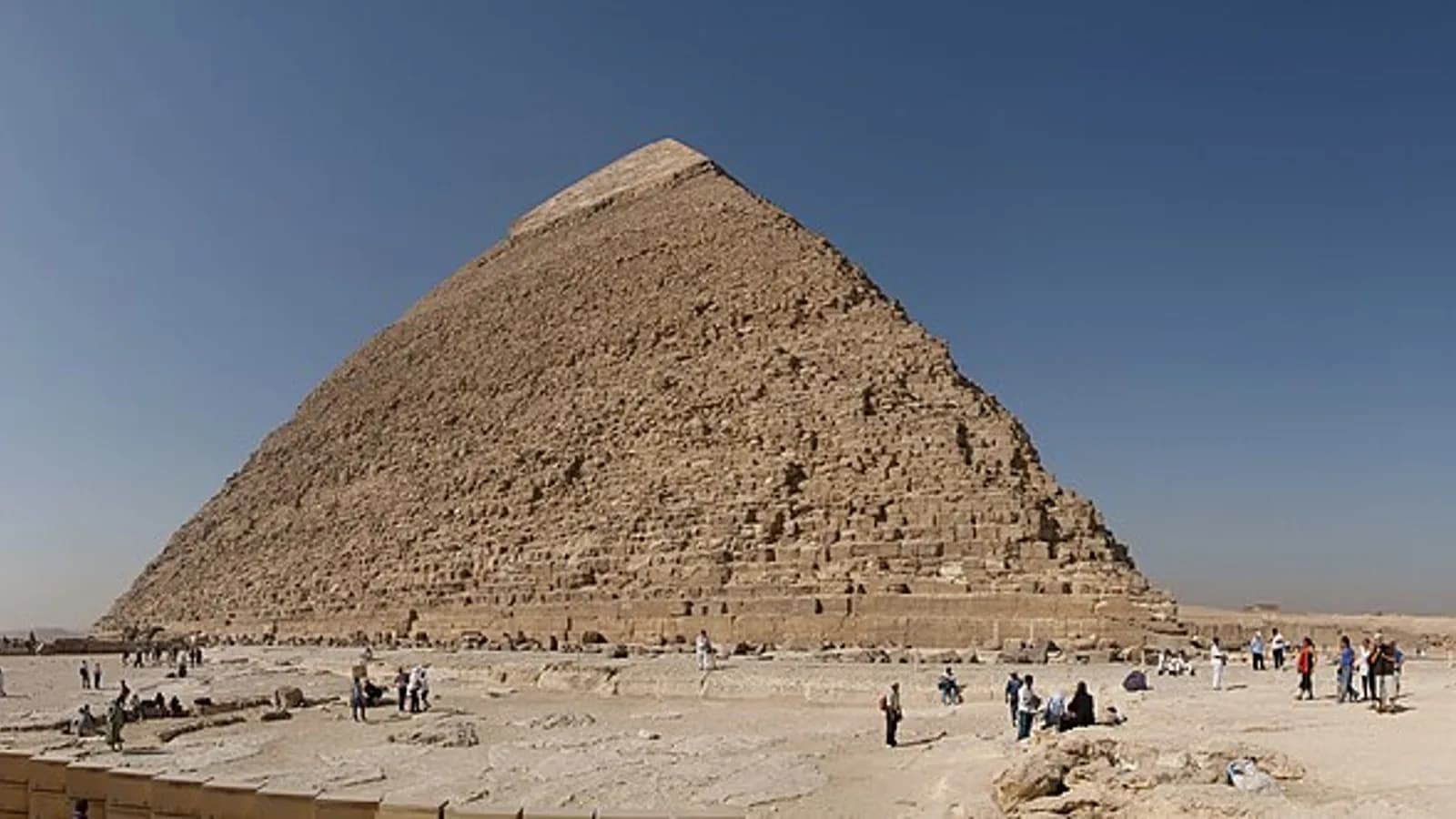 Travel tips
Egypt Travel Guide 2026: Everything to Know Before You Go
The only Egypt primer you need for 2026, when to go, visas, safety, how long to stay, and the route that strings the pyramids, the Nile and the Red Sea into one unforgettable trip.
 Itineraries
3 Days in Cairo: The Perfect First-Timer's Itinerary
Pyramids, Islamic Cairo, Coptic alleys and the Grand Egyptian Museum — a tested 72-hour plan that balances the must-sees with room to breathe.
 Travel tips
The Best Time to Visit Egypt: A Month-by-Month Guide
When to go for cool temple days, calm Red Sea diving and the lowest crowds — a season-by-season breakdown for every kind of Egypt trip.