
Abu Simbel: How to Visit Ramesses II's Great Temples (2026)
The journey south everyone remembers, Ramesses II's colossal temples above Lake Nasser, the twice-yearly Sun Festival, and the astonishing 1960s rescue that moved them. How to visit from Aswan.
Some sights you've seen a hundred times in photographs and they still stop you cold in person. Abu Simbel is one. Carved straight into a sandstone cliff by Ramesses II in the 13th century BC, 280 km south of Aswan near the Sudanese border, its four seated colossi of the pharaoh, each over 20 metres tall, stare out across what is now Lake Nasser, exactly as they have for more than three thousand years. (Find it at the southern edge of the interactive map.) ## Two feats of engineering three millennia apart Abu Simbel astonishes twice over. The ancient feat: the Great Temple was aligned with such precision that, on two days a year, the rising sun shoots down the entire 60-metre axis to illuminate the gods enthroned in the innermost sanctuary, leaving only Ptah, god of the underworld, in shadow. The modern feat: in the 1960s, as the new High Dam's rising waters threatened to drown the temples forever, a UNESCO-led international team cut the entire complex into more than 1,000 blocks, some weighing 30 tonnes, and reassembled it 65 metres higher and 200 metres back, even building an artificial mountain behind it to recreate the cliff. It remains one of the greatest archaeological rescues ever attempted, and you'd never know, walking up to it, that the whole thing was moved. ## What you'll see
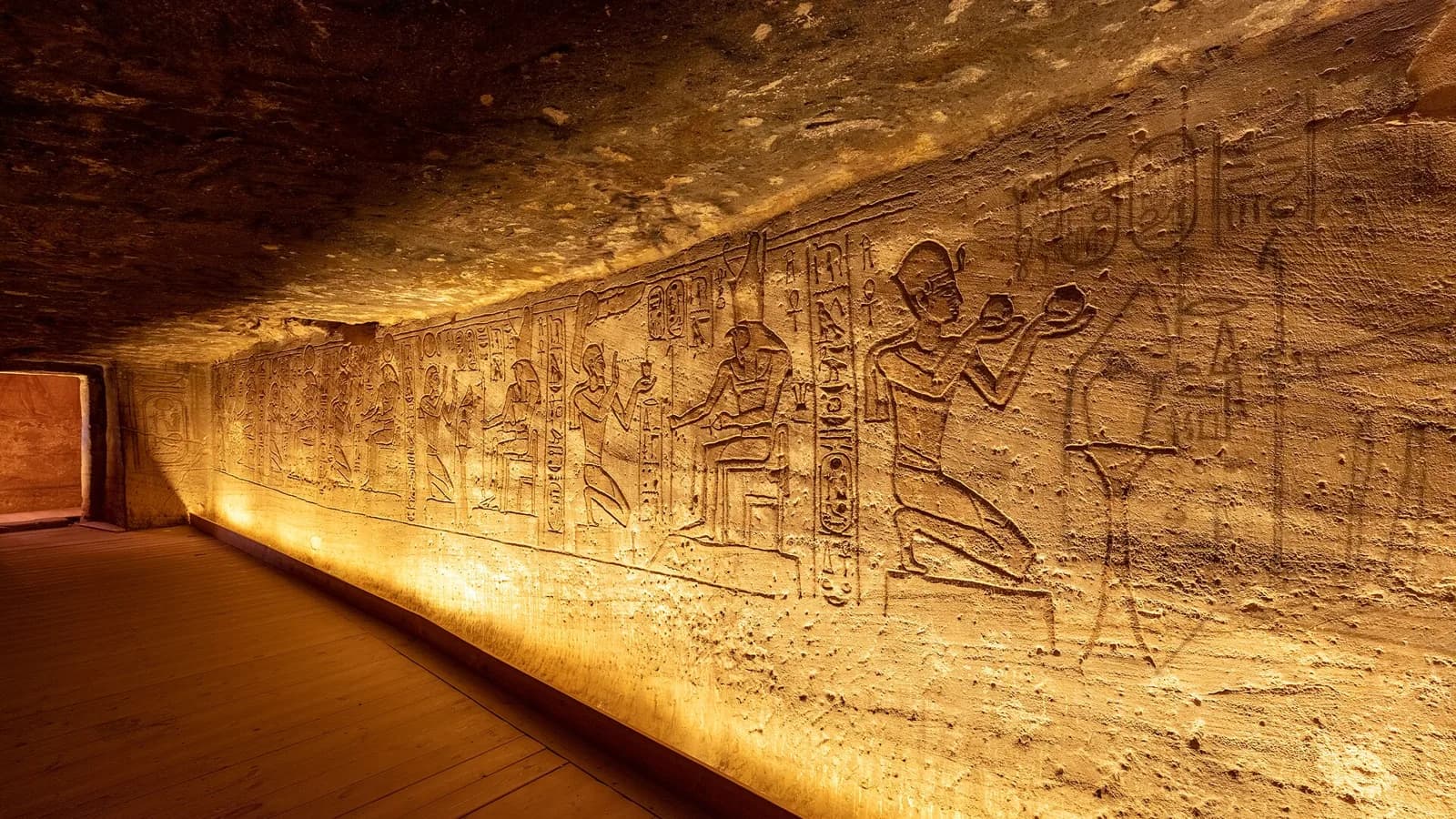
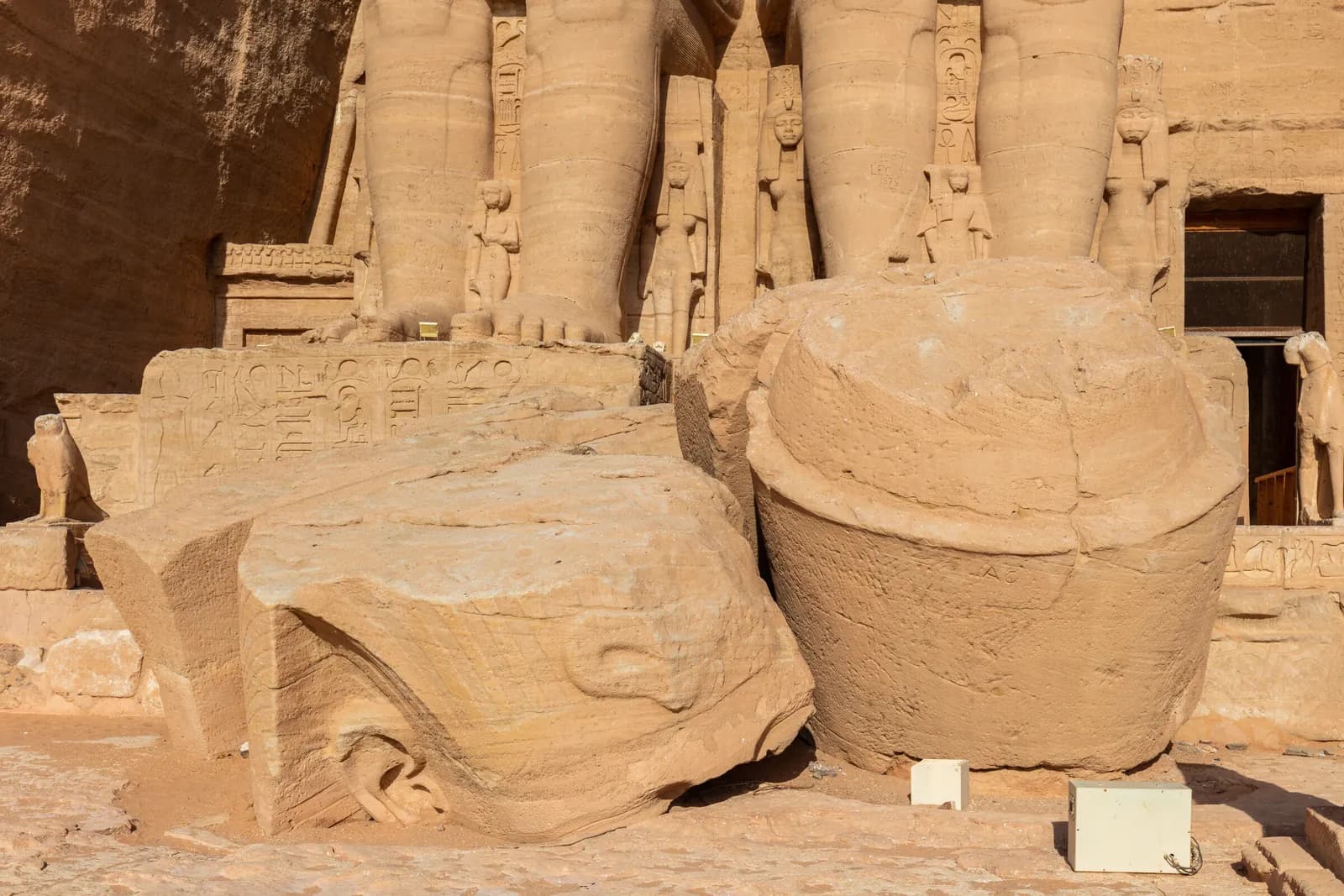
- The Great Temple of Ramesses II, with its four colossi (one toppled by an ancient earthquake and left as it fell), a hall of Osiris pillars, and walls celebrating Ramesses' battles, including Kadesh, history's first recorded peace treaty.
- The smaller Temple of Hathor, dedicated to Ramesses' beloved queen Nefertari, and remarkable in that her statues on the facade stand the same height as the king's, an almost unheard-of honour. ## The Sun Festival On roughly 22 February and 22 October, the dawn alignment lights the sanctuary statues, and Abu Simbel fills with crowds and celebration for the Sun Festival. If your trip lines up, it's a special, if busy, time to be there. ## How to visit
- From Aswan, 280 km south: by short flight (about 45 minutes, the fastest option) or an early-morning road convoy of roughly three hours each way, usually a long day trip with a couple of hours at the site.
- By Lake Nasser cruise, which approaches the temples from the water for a rarer, dramatic arrival.
- Go early. Most road and flight arrivals cluster mid-morning; the first to arrive get softer light and the colossi briefly to themselves. Abu Simbel is the natural extension of an Aswan stay and a highlight of the 10-day itinerary. See where it fits a first trip in the Egypt Travel Guide 2026.
Common questions
How do you get to Abu Simbel?
From Aswan, 280 km south, by a short 45-minute flight (fastest) or an early-morning road convoy of about three hours each way, usually as a long day trip. Some Lake Nasser cruises also reach it from the water.
Why is Abu Simbel famous?
For Ramesses II's four colossal cliff-carved statues above Lake Nasser, the twice-yearly solar alignment that lights the inner sanctuary, and the extraordinary 1960s rescue that cut the temples into 1,000+ blocks and moved them to higher ground to escape the rising dam.
What is the Abu Simbel Sun Festival?
Twice a year, around 22 February and 22 October, dawn sunlight penetrates the Great Temple's 60-metre axis to illuminate the gods in the inner sanctuary, exactly as the ancient builders intended. It draws crowds and celebration on those mornings.
Can you do Abu Simbel as a day trip from Aswan?
Yes, it's the usual way to visit, by an early flight or road convoy from Aswan and back the same day, with a couple of hours at the site. Going early rewards you with softer light and fewer crowds.
Were the Abu Simbel temples really moved?
Yes, in the 1960s a UNESCO-led team cut the entire complex into more than 1,000 blocks and reassembled it 65 metres higher to save it from the rising waters of Lake Nasser, even constructing an artificial hill behind it to mimic the original cliff.
Book it on This is Egypt
Turn this guide into a trip
Abu Simbel Temples — Private Day Trip from Aswan
From Aswan: Abu Simbel Temple Day Trip with Hotel Pickup
Abu Simbel by Flight — Aswan Day Trip
Keep reading
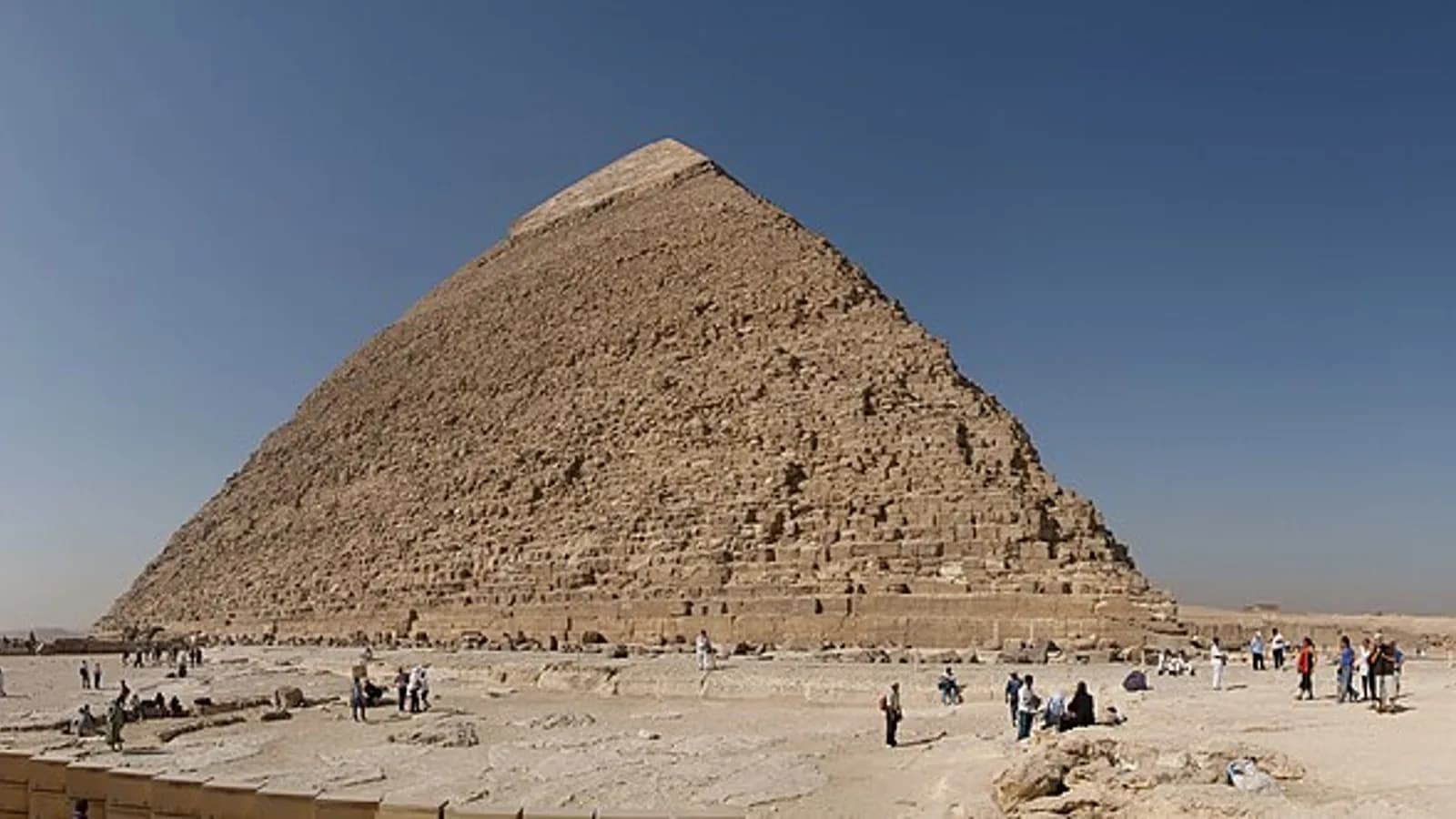 Travel tips
Egypt Travel Guide 2026: Everything to Know Before You Go
The only Egypt primer you need for 2026, when to go, visas, safety, how long to stay, and the route that strings the pyramids, the Nile and the Red Sea into one unforgettable trip.
 Itineraries
3 Days in Cairo: The Perfect First-Timer's Itinerary
Pyramids, Islamic Cairo, Coptic alleys and the Grand Egyptian Museum — a tested 72-hour plan that balances the must-sees with room to breathe.
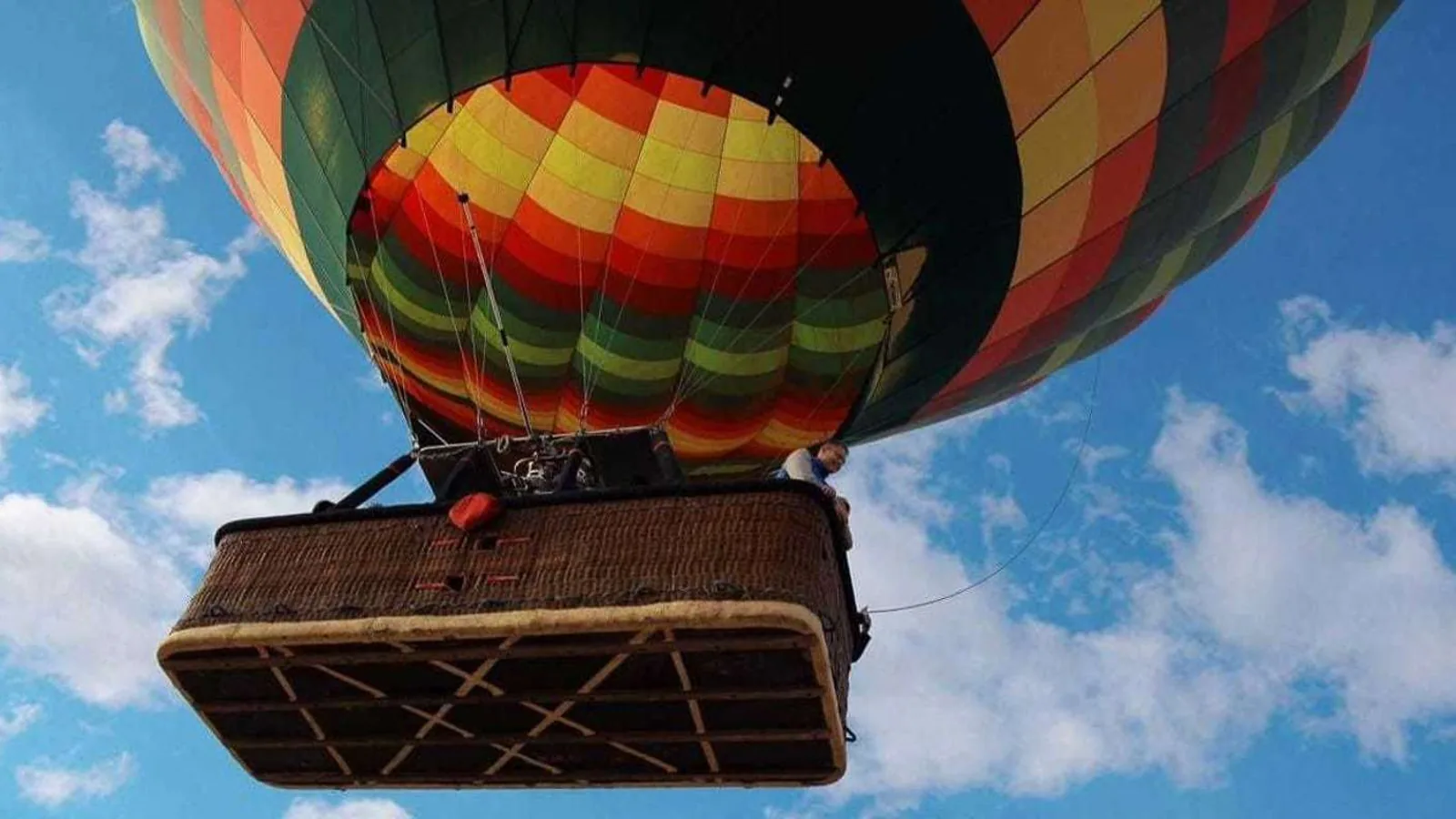 Travel tips
The Best Time to Visit Egypt: A Month-by-Month Guide
When to go for cool temple days, calm Red Sea diving and the lowest crowds — a season-by-season breakdown for every kind of Egypt trip.